
Sustain_bannernew

Sustainability

Shaping a Greener Steel Future

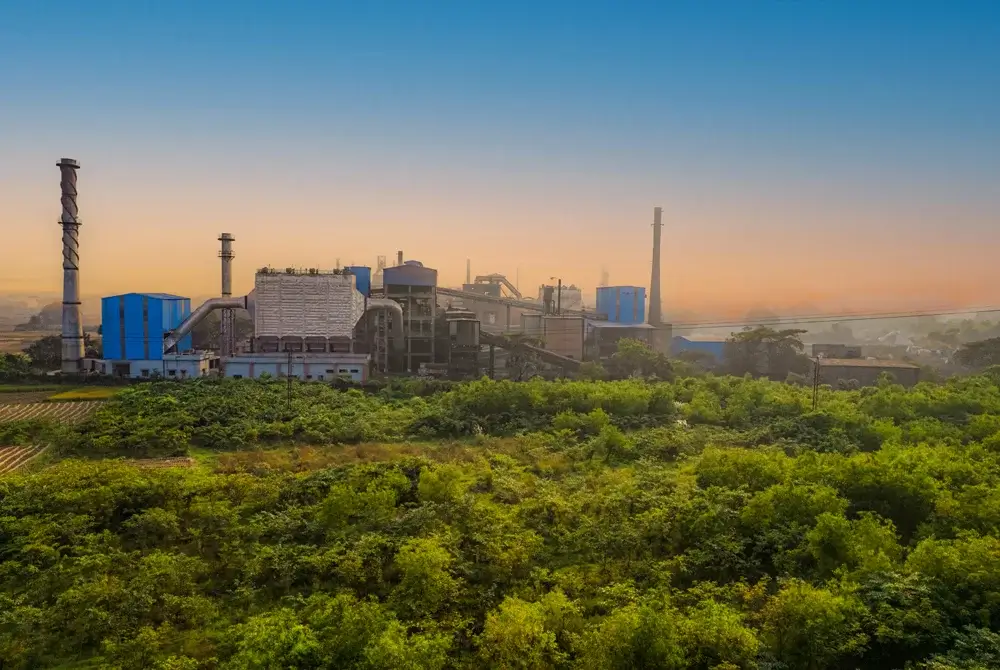
At Neo Metaliks Limited, Sustainability is not a polished phrase from boardroom discussions—it lives on the ground at our pig iron plant in West Bengal, where the steady roar of blast furnaces exists alongside deep respect for the land and people of Durgapur.

Our operations are supported by a 10 MW captive power plant, continuous emission monitoring systems, advanced dust suppression infrastructure, and extensive greenbelt development covering 34.7% of our plant area.

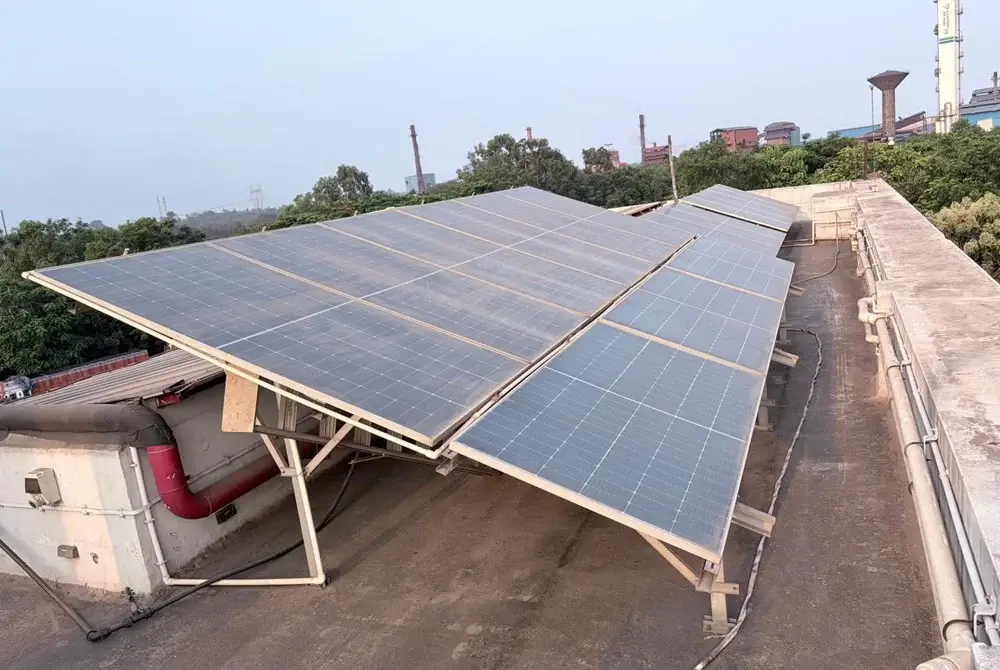
Water conservation remains a key focus through rainwater harvesting systems, reuse of treated water, and dedicated reservoirs within the plant. We are also advancing renewable energy adoption with rooftop solar installations and energy-efficient operations to reduce our carbon footprint.

Through recycling of process waste, reuse of iron ore and coke fines, and continuous investment in cleaner technologies, Neo Metaliks Limited is committed to building a more sustainable and resource-efficient future.
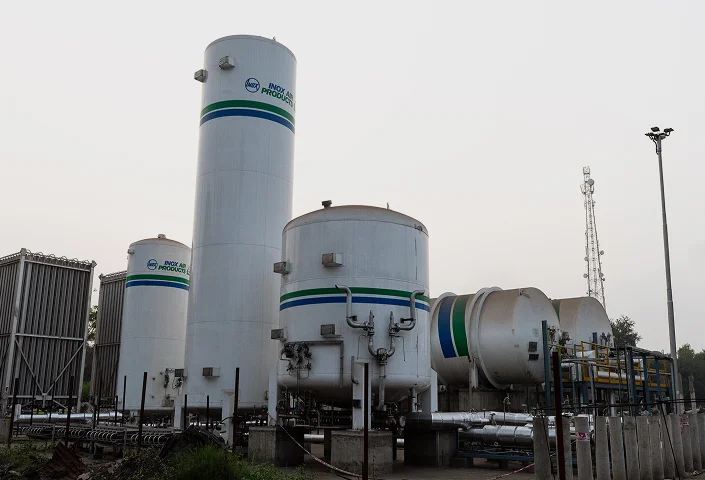
Sustainability

Building a Greener Tomorrow, Today


At Neo Metaliks, sustainability isn’t an option—it’s our responsibility. From energy-efficient operations to eco-friendly practices, we are committed to reducing our environmental footprint and contributing to a cleaner, more sustainable future. Every step we take is guided by our promise to protect natural resources, support communities, and create lasting positive impact.
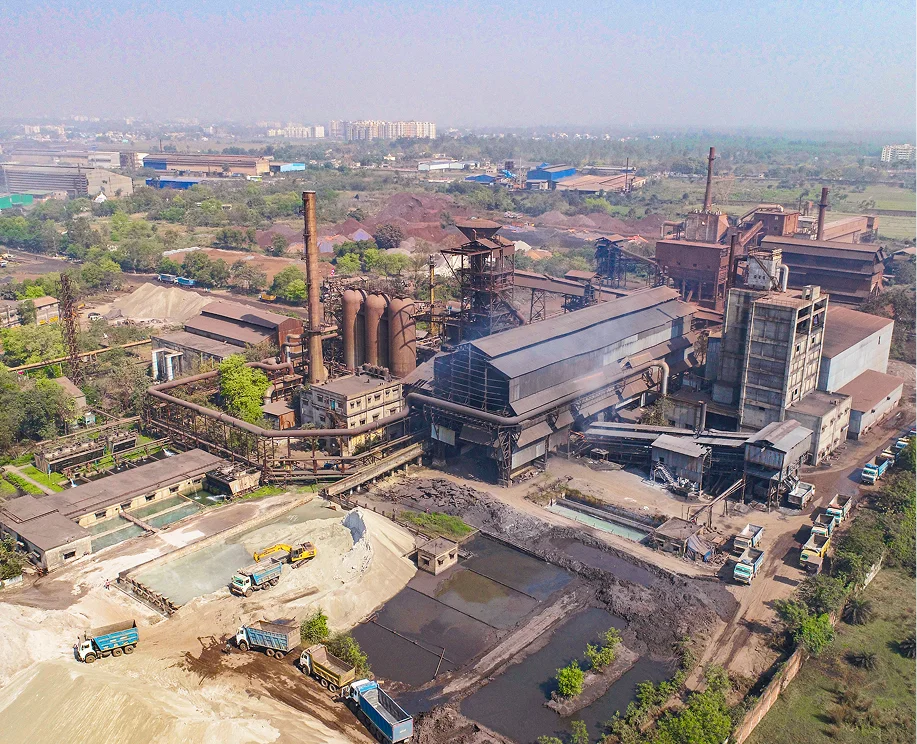
At a Glance

FY 2025–26

Key sustainability metrics — updated as of FY 2025–26

30,300 +

SAPLINGS PLANTED

34.7% of Plant Area

7,157 m²

RETENTION POND

Zero Liquid Discharge

3 Nos.

CAAQMS STATIONS

24Ă—7 Air Monitoring

881 Nos.

MIST NOZZLES

417 RMHS · 464 MBF

10 kWp

SOLAR INSTALLED

Phase 1 · Scale-up FY27

10 Nos.

ADOPTED VILLAGES

Community Programmes

220 CuM

ROOFTOP RAIN WATER

Annual Rain Water Harvested

1 Nos.

CEMS STATIONS

24Ă—7 Emission Monitoring

₹75 + Lakhs

CER SPEND

Till FY 2025–26

Our Commitment

Shaping a Greener Steel Future

At Neo Metaliks, sustainability goes beyond compliance—it’s core to how we operate. By channeling waste heat from our blast furnace and other high-temperature processes, we generate electricity to power our operations. This captive power generation significantly reduces our dependence on external power grids and traditional fossil-fueled sources. Our approach not only optimizes energy use but also actively lowers greenhouse gas emissions, aligning with our broader goal of sustainable industrial development. From energy efficiency to emissions reduction, every watt of power we recover is a step closer to a cleaner, smarter future. Neometaliks is proud to lead by example—forging iron responsibly, and powering tomorrow with purpose.

Our Commitment

Eco-Conscious Operations

Greenbelt & Plantation Efforts

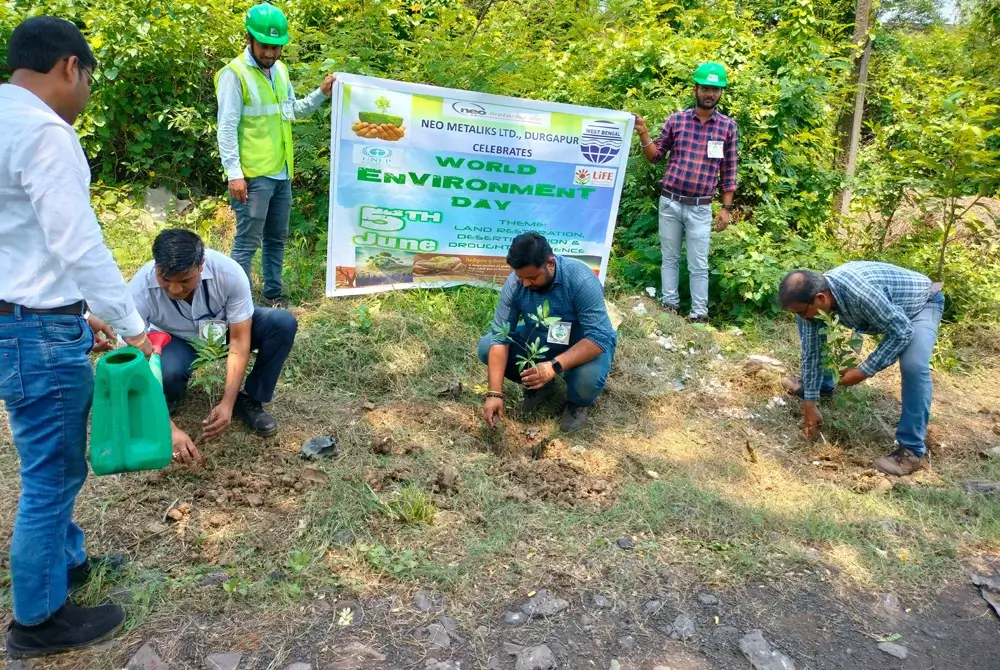
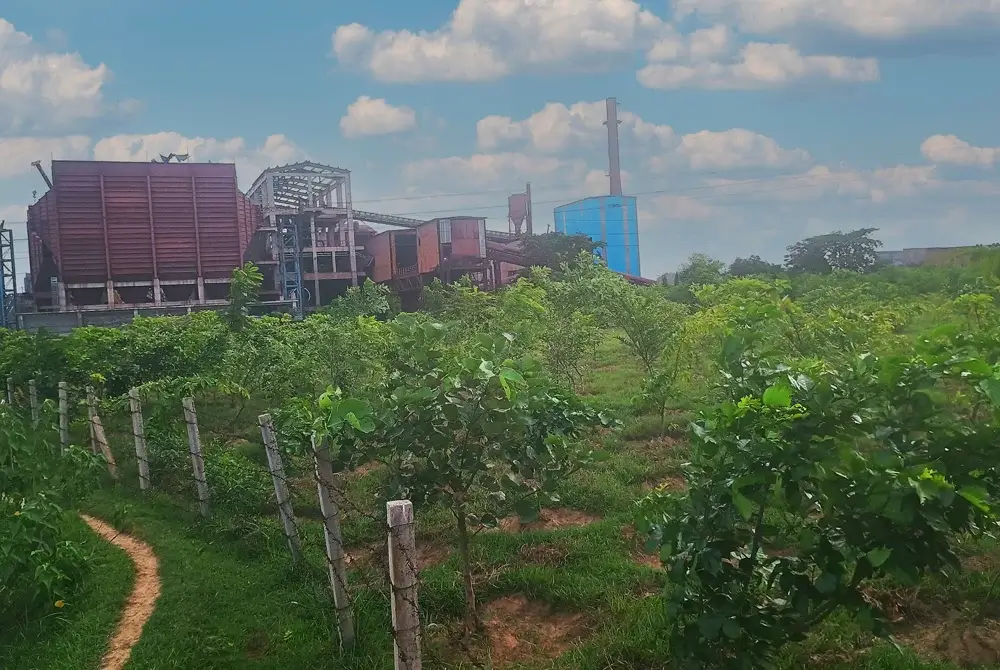
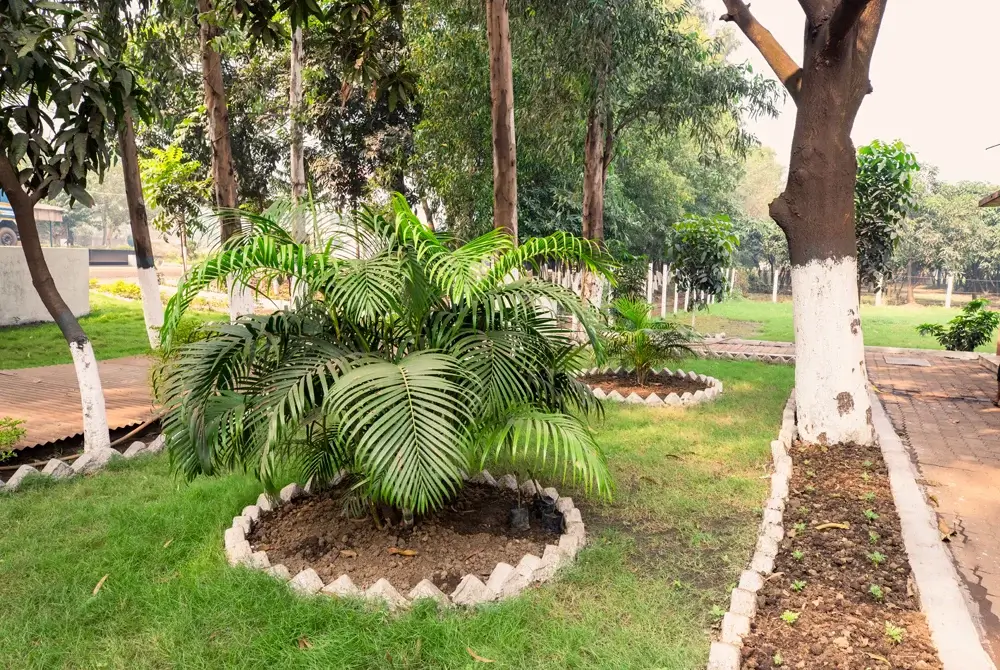
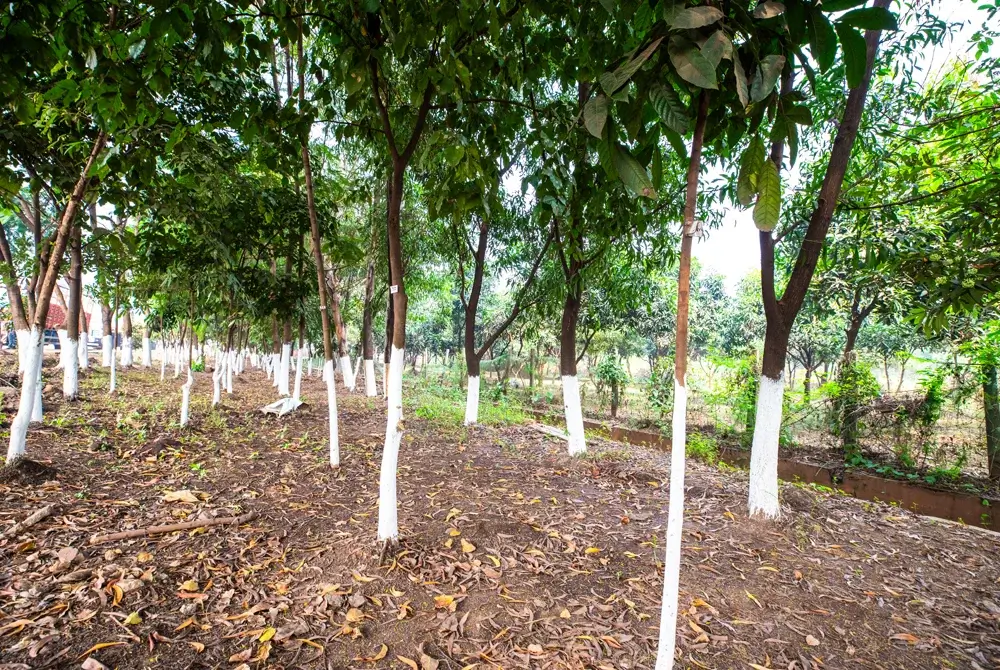
As of March 2024, we’ve planted 30,323 native saplings, covering ~34.7% of our Durgapur plant area. Add ~2,500 seedlings in FY 2024–25 to reach our 36% target

Pollution Control & Compliance

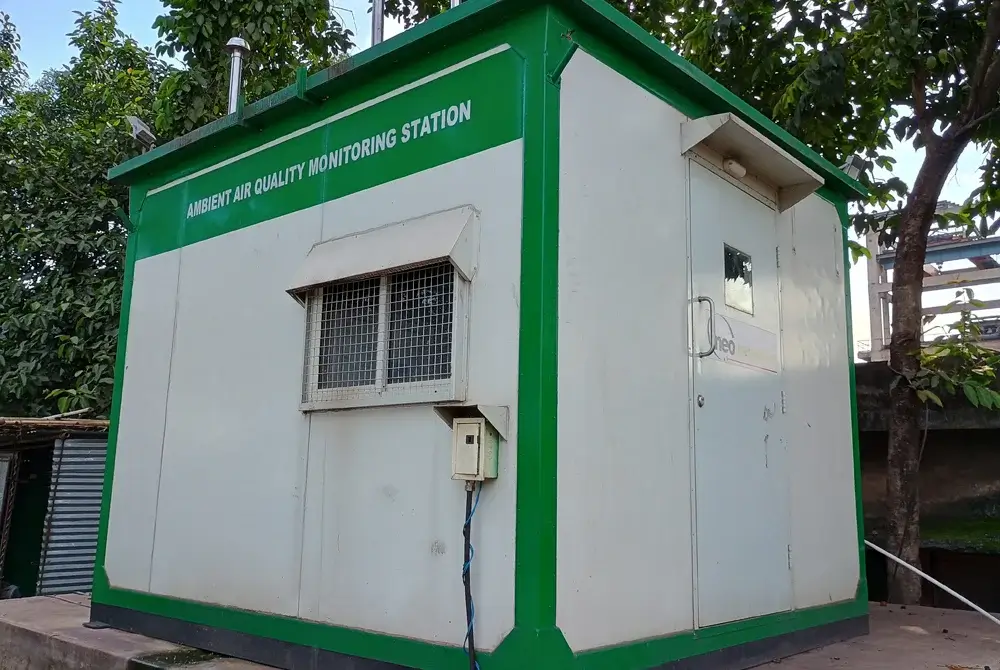
Our blast furnaces are equipped with dry gas cleaning and dust controls. We publish half-yearly environmental compliance reports and perform continuous ambient-air monitoring .

Water & Rainwater Management

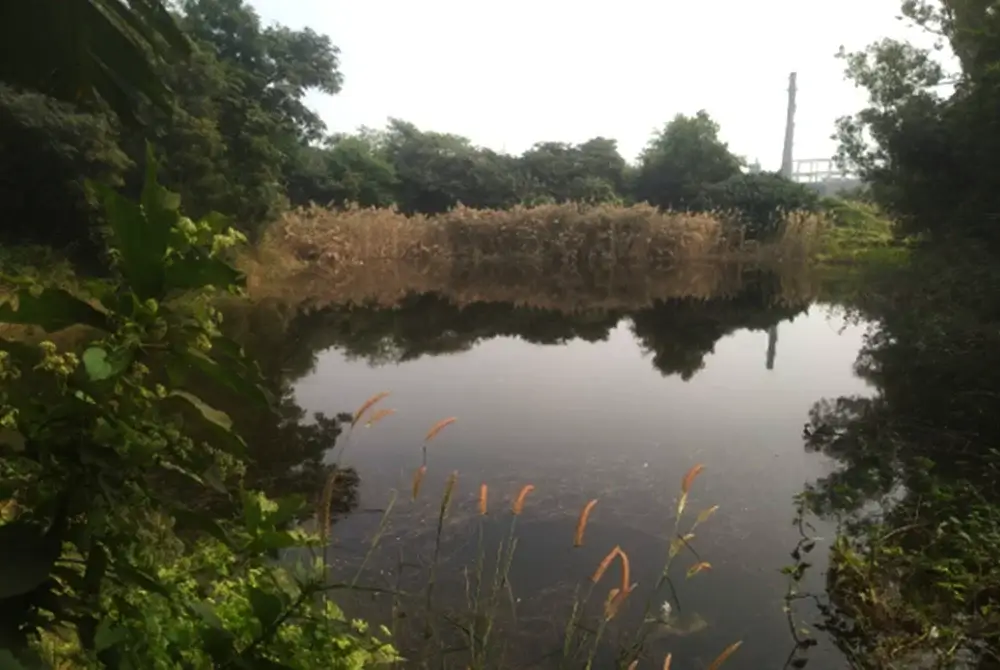
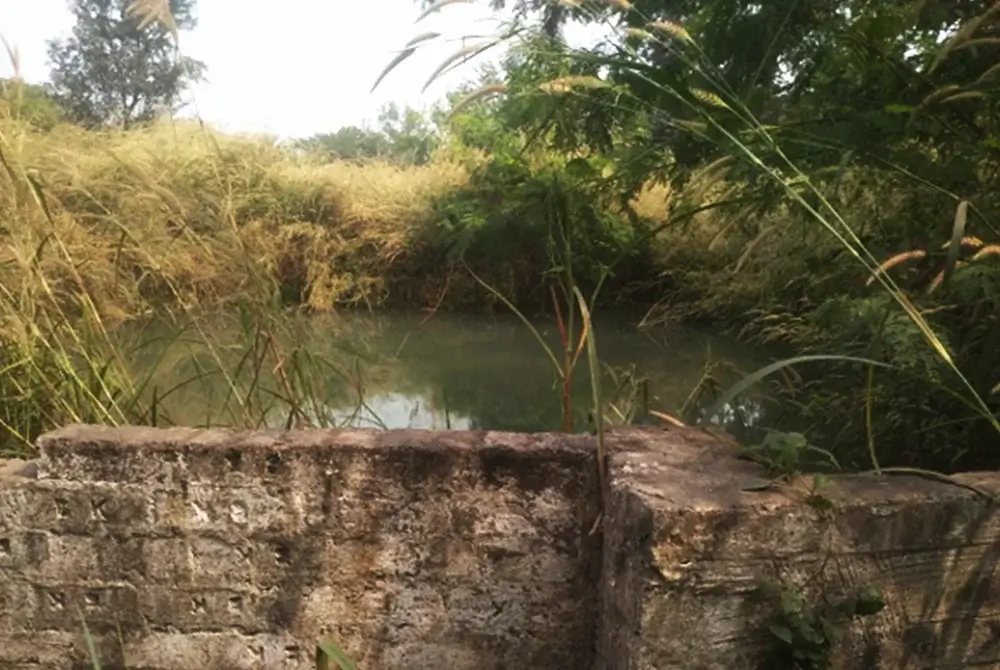
A 7,157 m² retention pond, along with strategically placed rainwater harvesting pits, enables us to collect, store, and reuse rainwater across our facilities.

Advanced Blast Furnace Technology

Blast Furnace

Neo Metaliks operates a Blast Furnace, producing premium-quality pig iron. Backed by over 20 years of experience in blast furnace operations, the Company combines deep technical expertise and operational excellence to deliver consistent quality.

Upgrades implemented in 2025, including BLT and high PCI injection systems, have enhanced operational efficiency while contributing to lower carbon emissions, ensuring a reliable supply to customers.
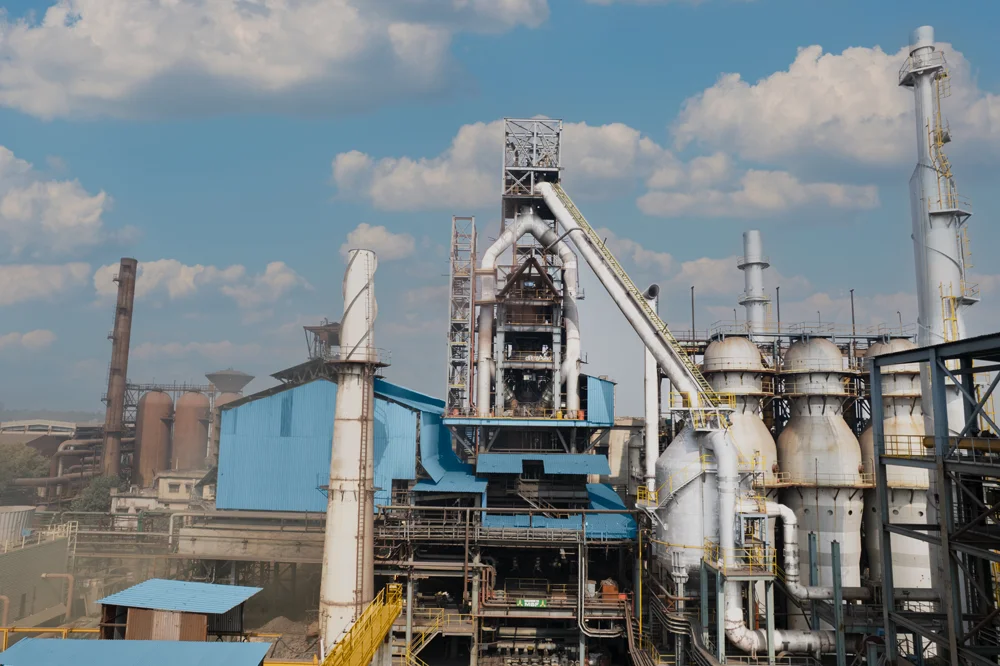
Sinter Plant

The Sinter Plant plays an important role in iron-making by converting iron ore fines into lumpy, porous sinter for Blast Furnace operations. Neo Metaliks operates two Sinter Plants—SP-I (commissioned in 2012) and SP-II (commissioned in 2024)—strengthening its sintering capability.

The sintering process provides a cost-efficient method of raw material preparation and enables the recycling of metallurgical wastes, supporting iron recovery and reducing the use of virgin raw materials.
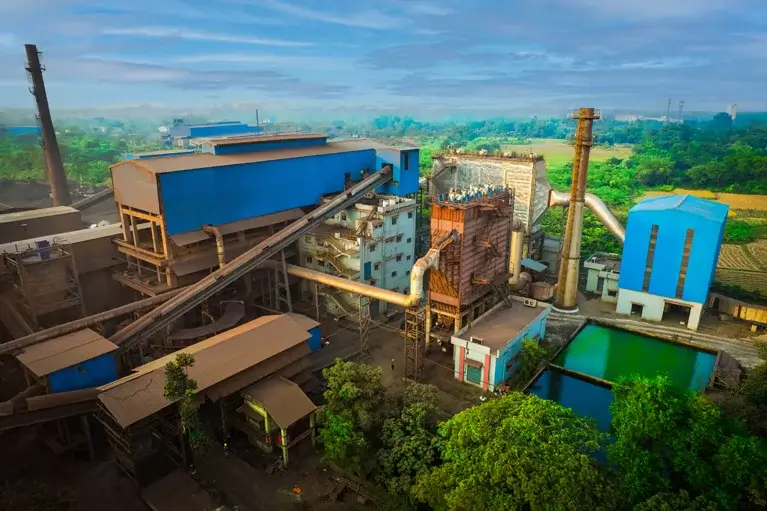
Captive Power Plant (CPP)

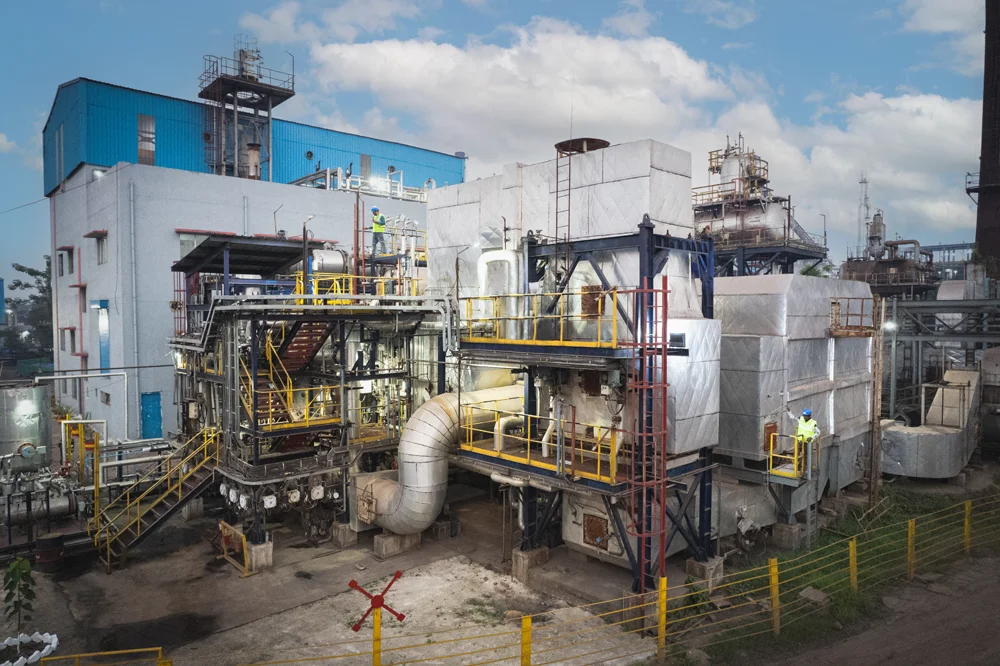
Neo Metaliks Limited operates two Captive Power Plants to ensure reliable and uninterrupted power supply for its operations. CPP-I was commissioned in 2006, followed by another CPP commissioned in 2024, strengthening power availability and operational reliability.

The CPP is equipped with a BF gas–fired boiler that utilizes recovered Blast Furnace gas for power generation. High-pressure steam drives a Steam Turbine Generator, supported by advanced control and safety systems to ensure stable and efficient power generation.
Sustainability at Neo Metaliks

Greenbelt Expansion & Ecological Restoration

  • 30,323 saplings planted with native species covering 34.7% of total plant area.
  • 3,800 saplings planted in surrounding villages, schools, and football grounds in FY 2024–25 under CER.
  • Approx. 31-acre area has been covered through green belt development.
  • 92 % Survival-rate monitoring conducted periodically; damaged plants replaced every subsequent cycle.
  • Internal roads, workplaces, and vehicle movement areas concreted/pavered to arrest soil erosion and dust.
  • Roadside greenery developed along all unused areas; landscaping & horticulture ongoing.

Water Stewardship & ZLD Framework

  • 7,157 m² retention pond within plant for rainwater collection and operational reuse.
  • Five rooftop rainwater harvesting sumps: Total 220.50 CuM annually rainwater harvested.
  • Garland drains & collection pits provided for each stockpile to arrest heavy-rain runoff.
  • Domestic effluent treated via septic tanks & soak pits; canteen waste via oil-water separator for plantation use.
  • 75 KLD Sewage Treatment Plant (STP) installed; ETP planned for rolling mills.
  • RO tertiary treatment plant to ensure reuse of treated wastewater to 700 KL extent.

Air Quality & Pollution Control

  • 3 CAAQMS in upstream, downstream, and crosswind directions transmitting real-time data to SPCB & CPCB.
  • 1 CEMS (24Ă—7) at Sinter Plant, Blast Furnace Stove, and Captive Power Plant — online data to SPCB & CPCB.
  • Ambient monitoring: PM10, PM2.5, SOâ‚‚, NOx — bi-monthly by NABL accredited lab. Data public at main gate & website.
  • Stack PM emission maintained at < 30 mg/Nm³ (Sinter Plant compliant).
  • Technology: ESPs, bag filters, dust catchers, venturi scrubbers, Gas Cleaning Plant (dust catcher + saturator).

Fugitive Dust Management

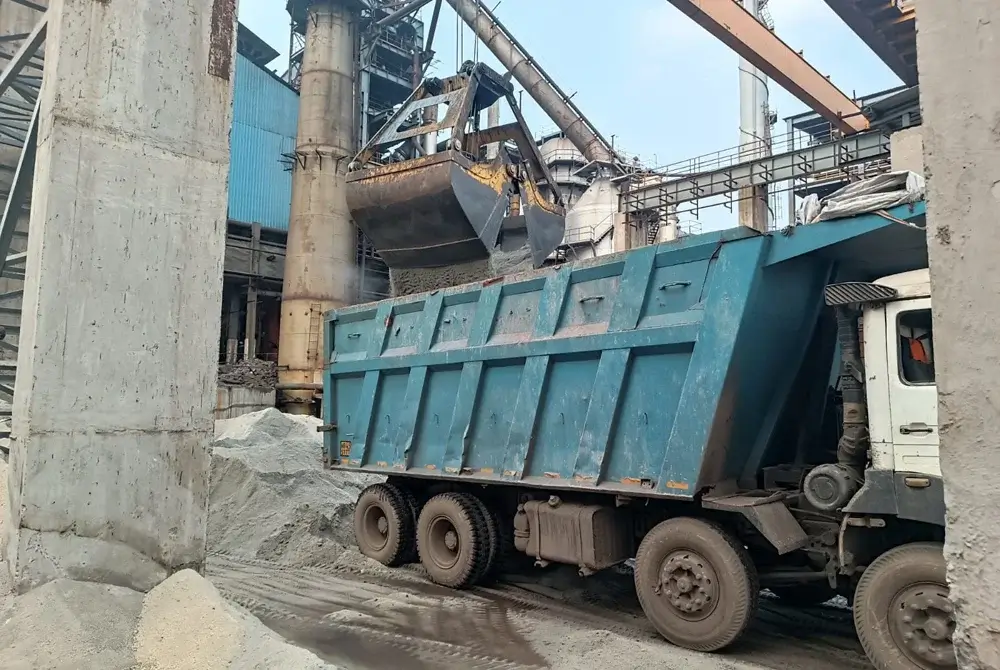
  • Mist spray dust suppression: 417 nozzles at RMHS and 464 nozzles at MBF — fully operational.
  • Fog/mist water cannons at 7 locations: Weigh Bridge, Pig Yard, Raw Material Storage, Sinter Ground Hopper, Crusher House, Tail ESP Stack, RMHS Day Bin.
  • All raw materials (iron ore, flux, coke, coke fines) stored under tarpaulin covers.
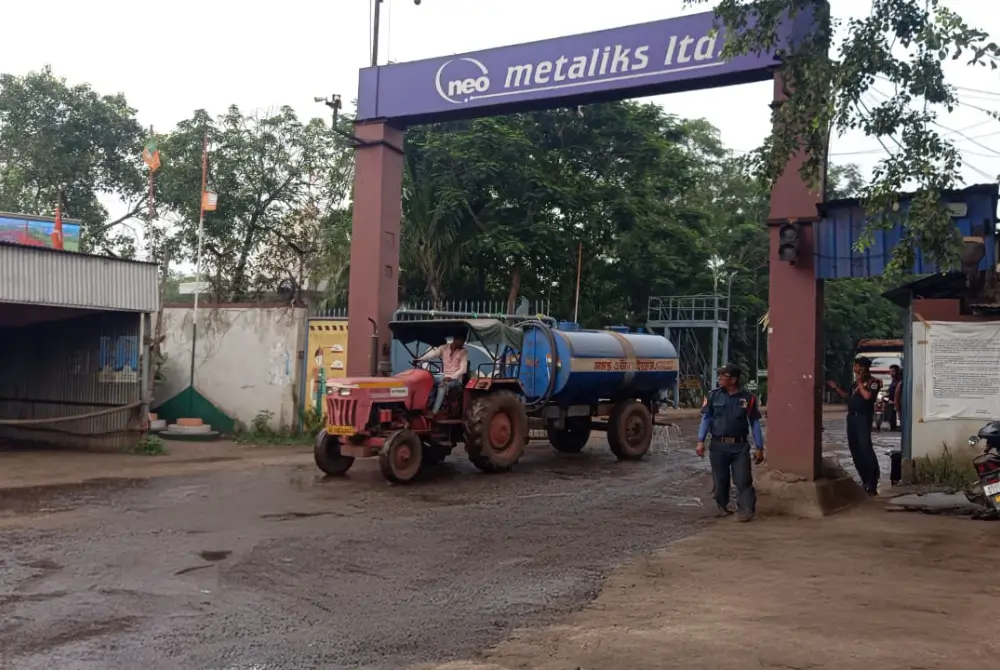
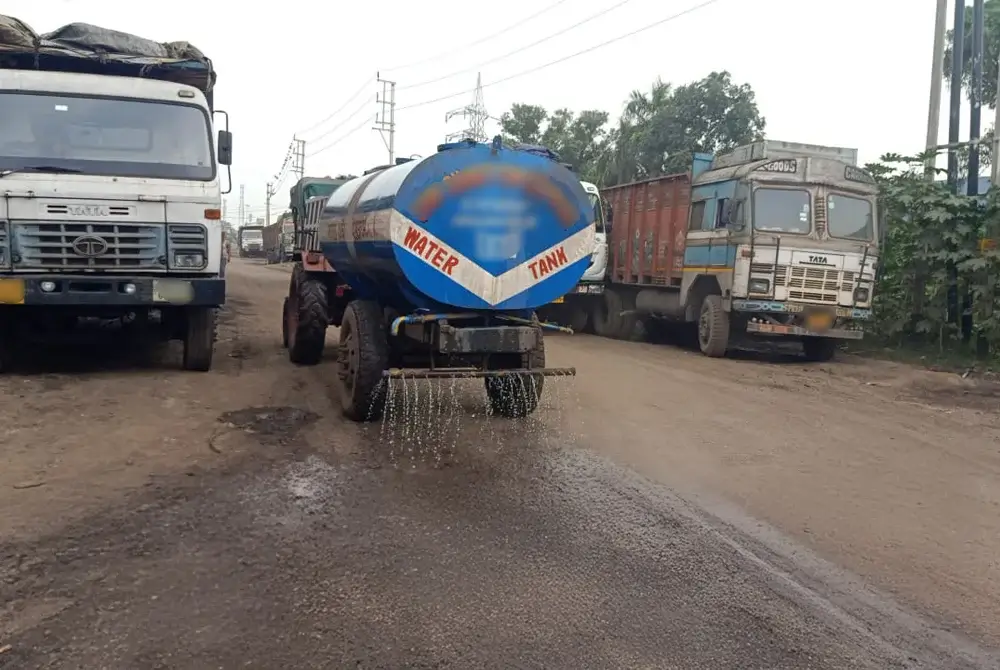
  • Fixed & mobile water sprinkling facilities at raw material handling yards, unloading points, and vulnerable zones.
  • PUC certificate mandatory for all vehicles entering plant.

Circular Economy & Waste Valorisation

  • Blast Furnace equipped with slag granulation facility; all slag supplied to cement industry.
  • Iron ore fines, coke fines & flue dust from pollution control devices recycled back into sinter plant.
  • Process dust from cleaning systems reused in sinter process — zero to landfill philosophy.
  • Kitchen waste composting machine near canteen: 60% of total quantity of waste convert as compost & used as manure.
  • Used refractories are responsibly managed and recycled wherever feasible.
  • Hazardous waste handled through authorised systems per Hazardous Waste Management Rules.

Energy, Climate & Resource Efficiency

  • 10 kWp rooftop solar PV system installed at New Admin Building (Phase 1); expansion planned in FY 2026.
  • All conventional halogen/mercury lights replaced progressively with LED lighting plant wide.
  • VFD-driven high-rated motors deliver ~10% reduction in energy consumption.
  • Blast Furnace stove equipped with waste heat recovery systems to improve thermal efficiency.
  • GHG emissions inventory & carbon sequestration study submitted; de-carbonisation roadmap in place.

Occupational Health Surveillance

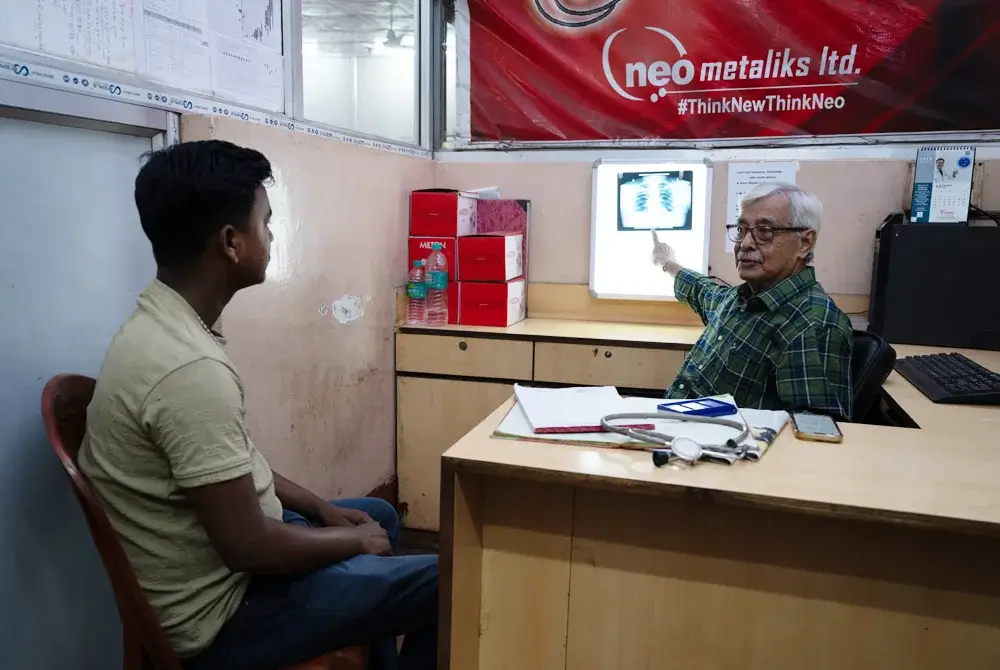
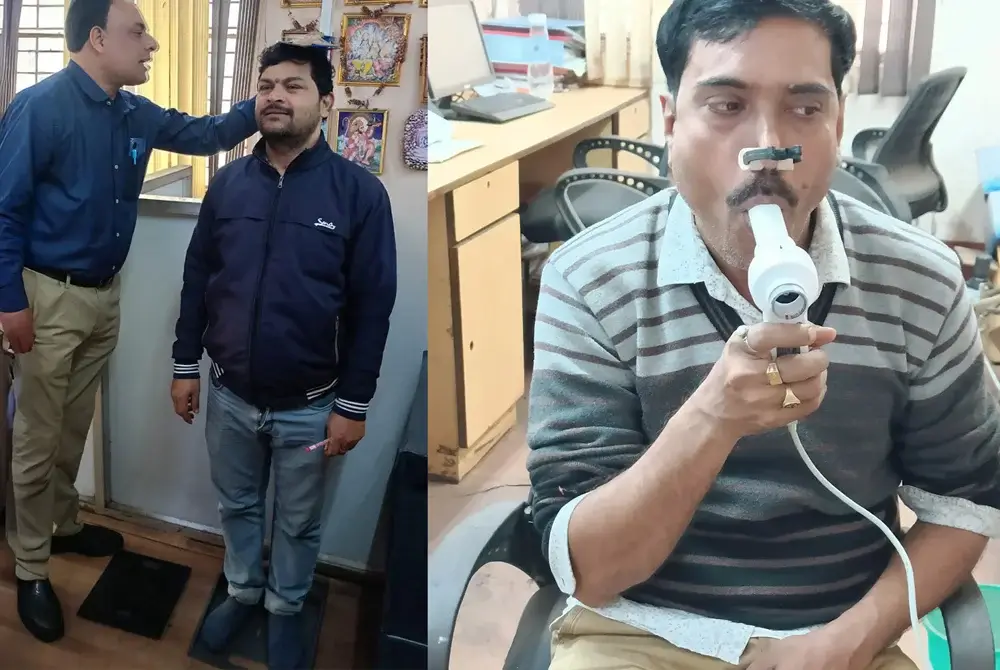
  • Comprehensive occupational health surveillance programme implemented for all employees and regular contractors under the Factories Act, 1948.
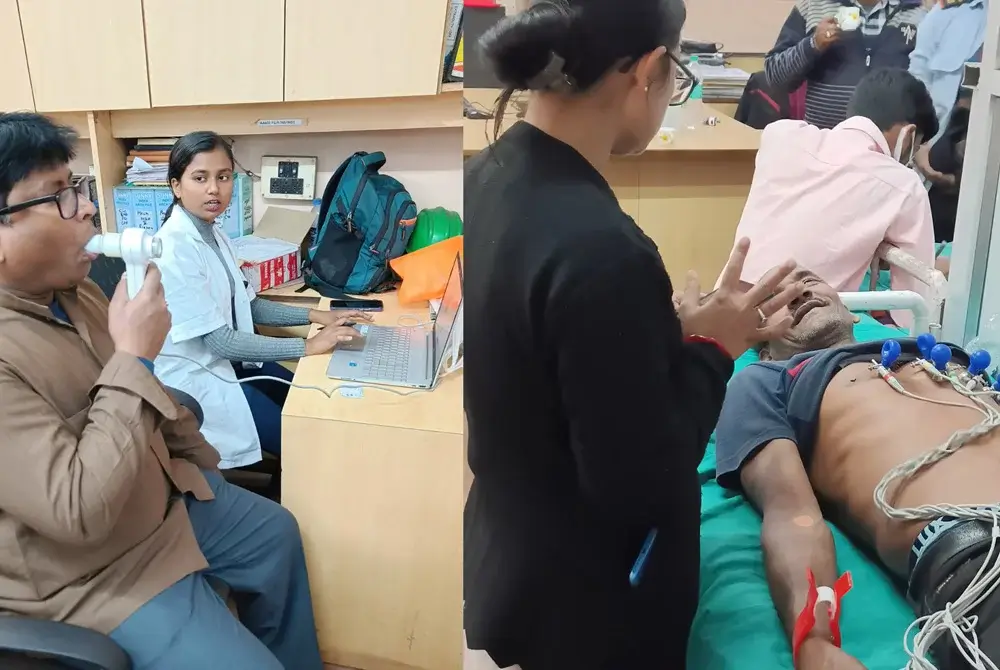
  • Annual medical examinations conducted for respiratory, hearing, heat stress, dermatological, and vision screening.
  • Spirometry, audiometry, blood pressure, blood sugar, BMI, and cardiovascular assessments considered mandatory.
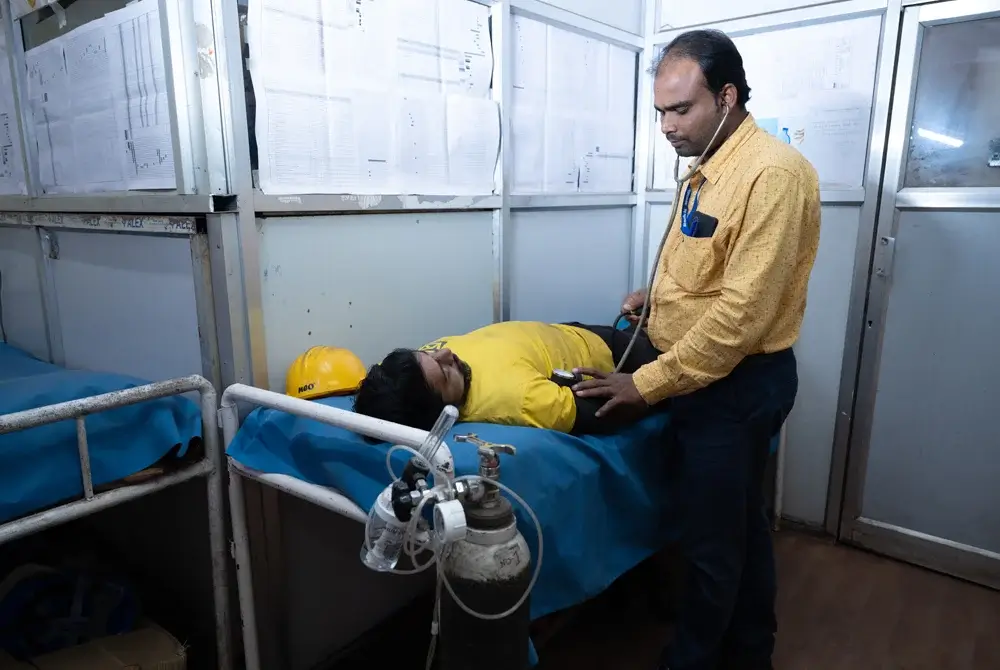
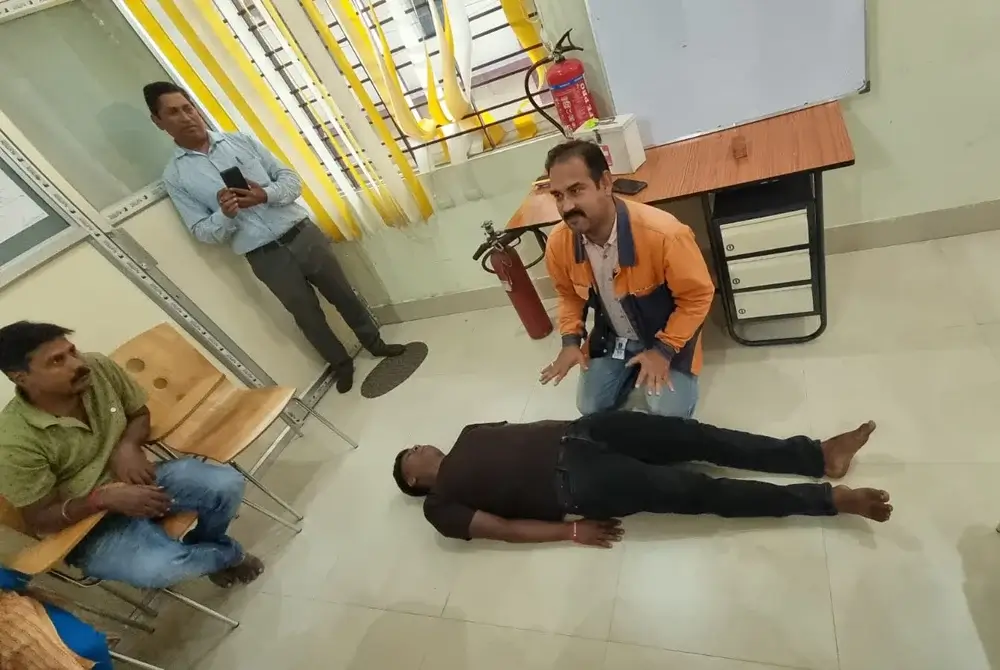
  • 24Ă—7 Occupational Health Centre operational with trained medical professionals and emergency response support.
  • First-aid stations deployed across Blast Furnace, Sinter Plant, and Raw Material Handling areas, with trained First Aid Personal available 24Ă—7.
  • Ambulance support and hospital tie-ups maintained for emergency medical referrals.

Advanced Heat Stress Management

  • WBGT-based heat stress monitoring system deployed across high-temperature operational zones.
  • WBGT levels maintained below Threshold Limit Value (31°C) during entire monitoring period.
  • Heat exposure assessments conducted by authorised agencies approved by Directorate of Factories & Boilers, West Bengal.
  • Worker rotation schedules and controlled exposure limits implemented for high-heat operations.
  • Cool-down zones, hydration stations, and ORS support provided at all critical work locations.
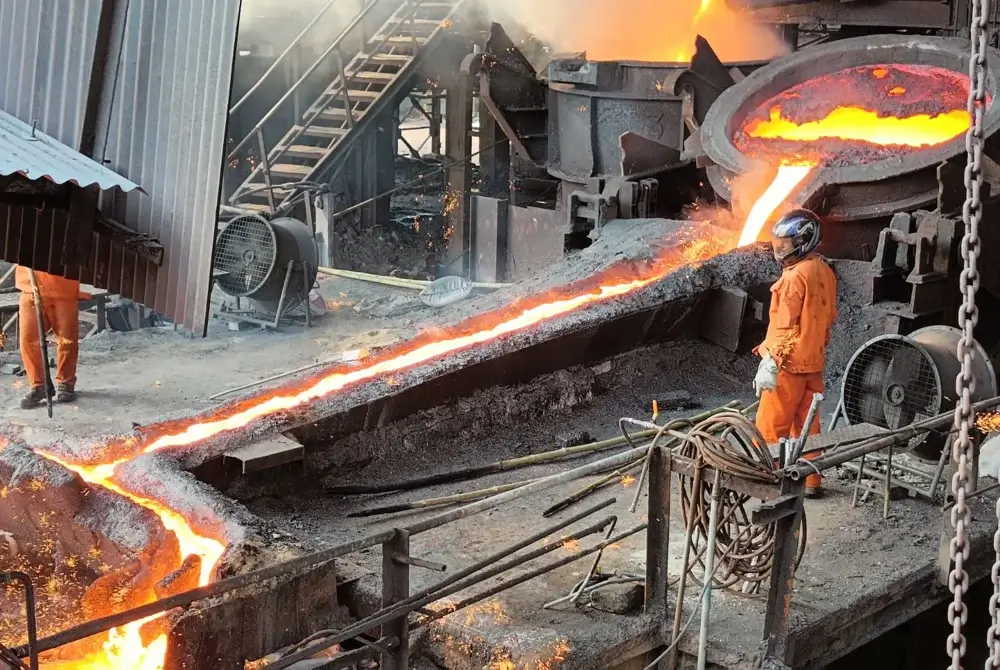
  • FR suits, full-face helmets, and thermal protection PPE mandatory in molten metal handling zones.

Industrial Hygiene & Work Environment

  • Bi-monthly monitoring of workplace air quality conducted through NABL-accredited laboratories for PM, SOâ‚‚, NOx, CO, and fugitive dust.
  • Workplace and boundary noise monitoring carried out in compliance with Noise Pollution Rules, 2000.
  • Engineering noise-control measures implemented through acoustic enclosures, mufflers, and anti-vibration systems.
  • Earmuffs and earplugs mandatory in all operational zones.
  • Ventilation adequacy assessments periodically conducted in enclosed operational areas.
  • Bag filter auto-purging systems and regular filter inspection programme maintained for better pollution control.
  • Industrial hygiene monitoring integrated into ongoing EHS compliance and operational control systems.

Risk Management, HIRA & Emergency Preparedness

  • Comprehensive Hazard Identification & Risk Assessment (HIRA) conducted across all major plant operations.
  • Risk mitigation framework implemented based on likelihood–severity assessment methodology.
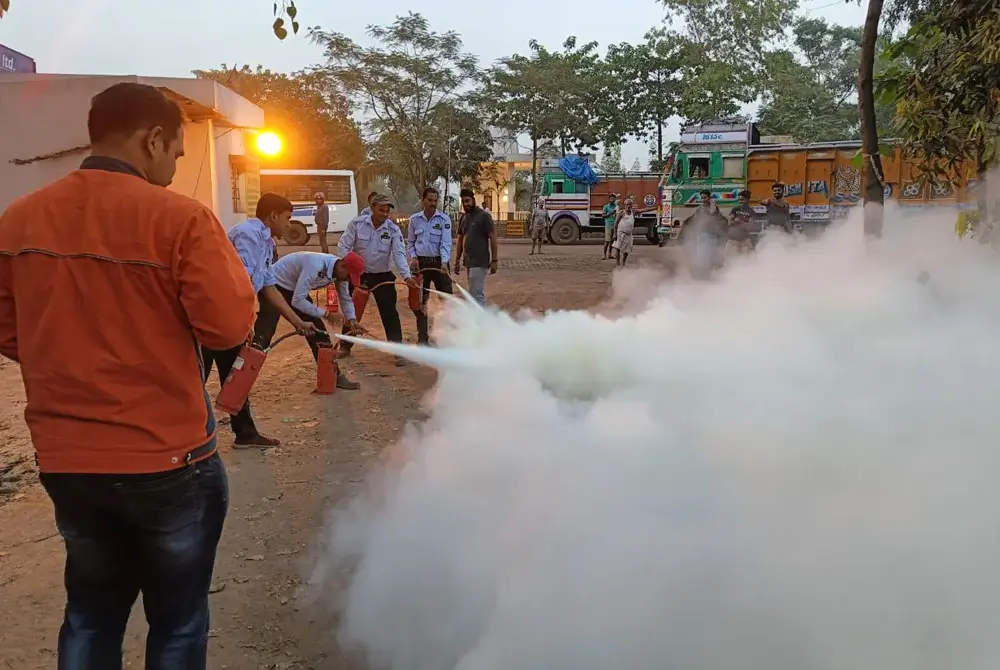
  • Disaster Management Plan (DMP) operational for fire, explosion, spillage, molten metal, and medical emergency scenarios.
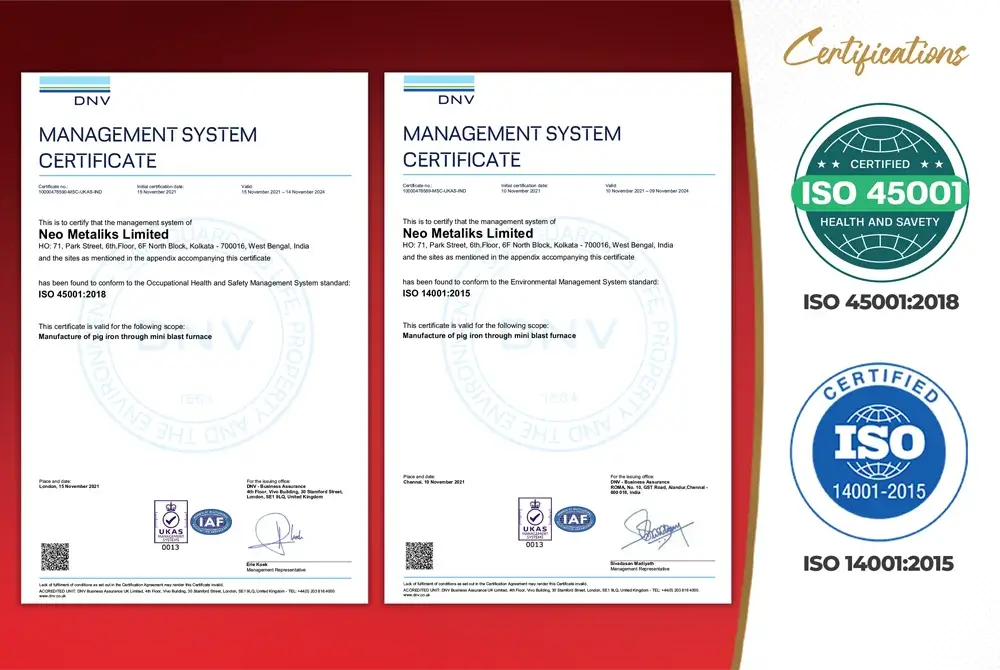
  • ISO 45001-based emergency preparedness procedures documented and implemented plant-wide.
  • Fire hydrants, extinguishers, sand buckets, assembly points, and evacuation systems maintained across operational areas.
  • Regular emergency mock drills and evacuation exercises conducted for all departments and shifts.
  • Coordination systems established with local fire brigade, hospitals, and regulatory authorities for emergency response.

PPE Programme & Behavioural Safety Culture

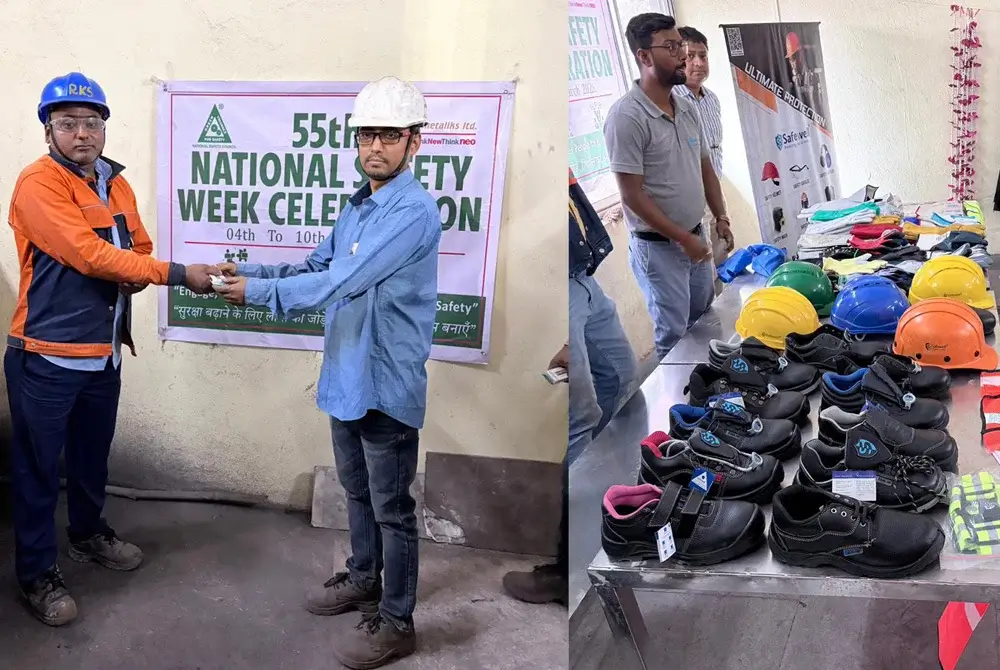
  • Comprehensive zone-specific PPE programme implemented across all operational and maintenance activities.
  • FR suits, helmets, respirators, heat-resistant gloves, safety shoes, earmuffs, and earplugs mandated based on risk exposure.
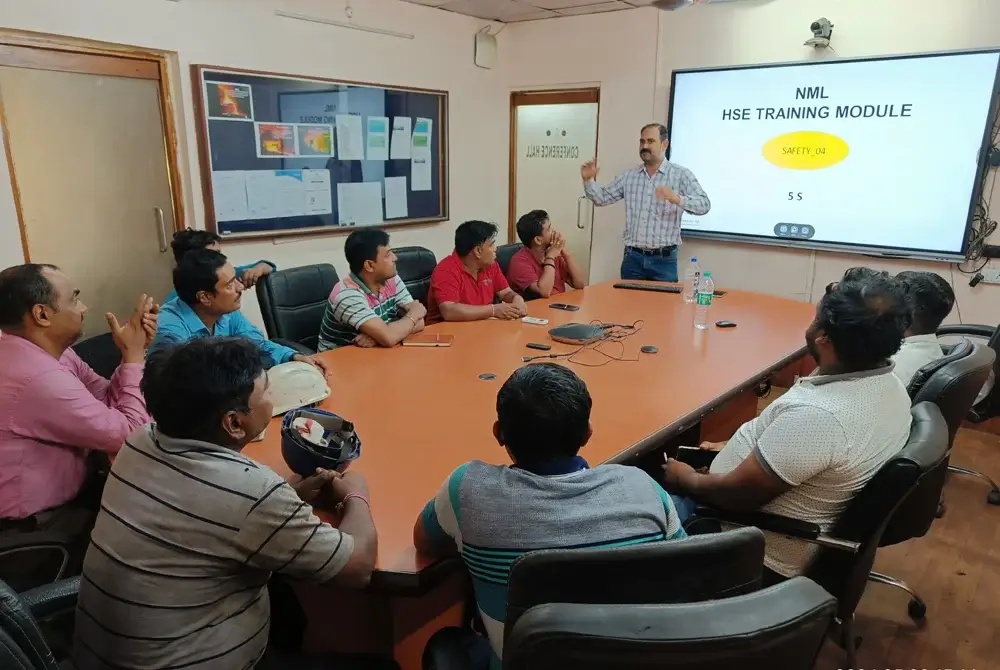
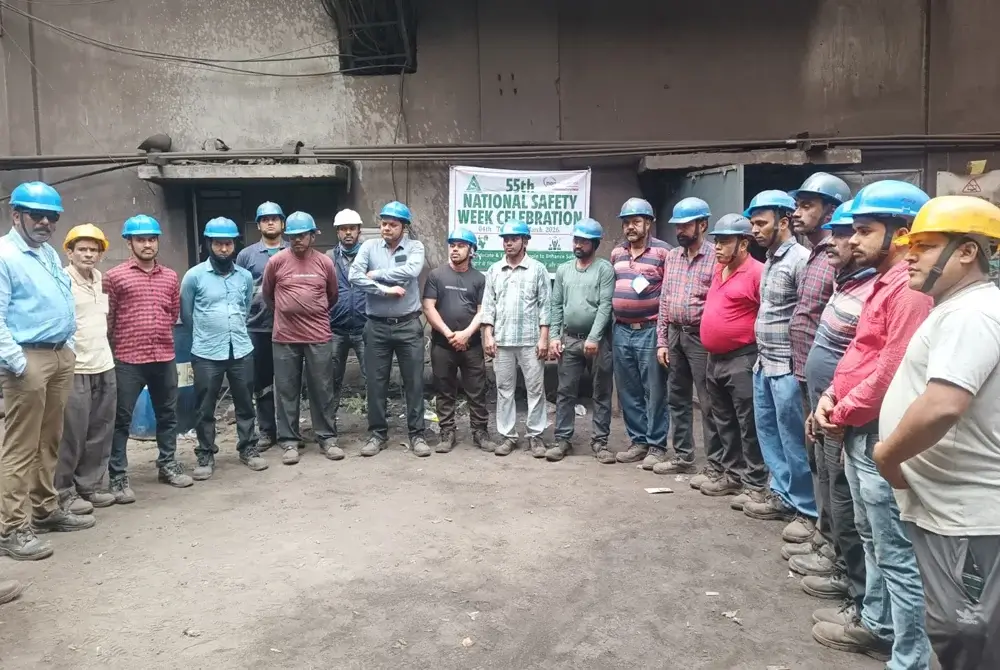
  • Safety induction training compulsory for all employees, contractors, and visitors before plant entry.
  • Daily toolbox talks and shift-level safety briefings conducted across departments.
  • Near-miss and unsafe-condition reporting system implemented with corrective action tracking and closure mechanism.
  • Internal safety audits and periodic third-party assessments conducted for continuous improvement.
  • Monthly review of PPE compliance, unsafe acts, and safety performance indicators conducted by plant management.

Integrated EHS Governance

  • Integrated Environment, Health & Safety (EHS) governance framework aligned with our ISO 14001 & ISO 45001 standards.
  • Health, safety, and industrial hygiene monitoring reports periodically submitted to regulatory authorities as part of EC compliance obligations.
  • Continuous focus on “Zero Harm” philosophy through preventive controls, worker engagement, engineering safeguards, and proactive monitoring systems.
  • Data-driven EHS management approach adopted through periodic monitoring, corrective action tracking, and independent third-party verification systems.

We are not just making steel – we are strengthening India itself.

Think New, Think Neo